


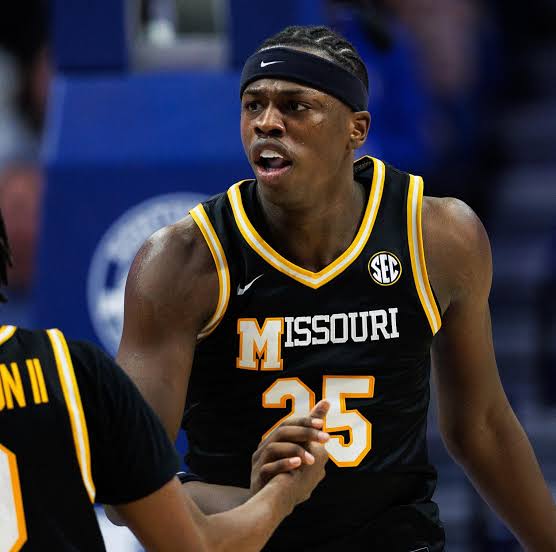
The Mark Mitchell eligibility saga has taken another interesting turn, and this time, the former Kentucky commit appears to share some common ground with Wildcats head coach Mark Pope.
Pope recently addressed the controversy surrounding SEC Commissioner Greg Sankey and the league’s handling of eligibility rules during an appearance on the Paul Finebaum Show. While Kentucky ultimately lost Mitchell as a result of the situation, Pope said he was encouraged by the SEC’s willingness to establish clearer guidelines.
For Pope, clarity was the biggest issue.
The Kentucky coach acknowledged that the uncertainty surrounding the NCAA’s “5-for-5” eligibility situation and the SEC’s transfer rules made it extremely difficult for coaches to know exactly what they could and could not do.
Pope praised Sankey for taking a firm position and giving the conference a clearer direction.
“I’m super proud of Greg,” Pope said. “I think what he’s done is he’s showed that the SEC actually has the authority to make decisions that everybody is going to have to live by.”
That is where Mitchell’s situation becomes particularly interesting.
The former Missouri standout initially transferred to Kentucky after receiving a favorable court ruling that opened the door for him to play another season of college basketball. But his move created a major problem because he had not entered the transfer portal during the original window.
The SEC ultimately enforced its existing rule concerning intra-conference transfers, and Mitchell was forced to return to Missouri.
Pope has made it clear that, although the decision hurt Kentucky, he appreciates having a more defined set of rules moving forward.
Mitchell, however, appears to have a different perspective on the situation.
While there may be agreement that college athletics needs clarity, the major disagreement centers on how those rules should be applied to players caught in unusual circumstances.
Mitchell’s case was never a straightforward transfer situation. His eligibility circumstances were tied to the court battle over an additional season, meaning the normal transfer timeline became part of a much larger legal dispute.
That distinction is important.
Pope is looking at the situation primarily from the perspective of a coach trying to build a roster while knowing exactly what is allowed. Mitchell, meanwhile, has had to navigate the consequences of those rules as a player whose eligibility was directly affected.
That creates two very different viewpoints.
For Kentucky fans, the situation is especially frustrating because Mitchell appeared to have a legitimate path to becoming part of Pope’s 2026-27 roster before the SEC ruling changed everything.
The Wildcats ultimately moved forward without him, while Mitchell returned to Missouri.
Pope’s latest comments suggest he believes the controversy has at least produced one positive outcome: clearer rules for everyone.
Mitchell’s perspective highlights the other side of the debate — whether those rules adequately account for players whose situations were created by unprecedented legal and eligibility circumstances.
That disagreement could keep the Mitchell saga alive even after his return to Missouri.
For now, Pope is focused on Kentucky’s upcoming season, while Mitchell is preparing for another year with the Tigers.
But the controversy surrounding their paths may not be finished.
And if the NCAA and SEC continue changing how eligibility and transfers are handled, the lessons from the Mitchell situation could become even more important for college basketball going forward.
