


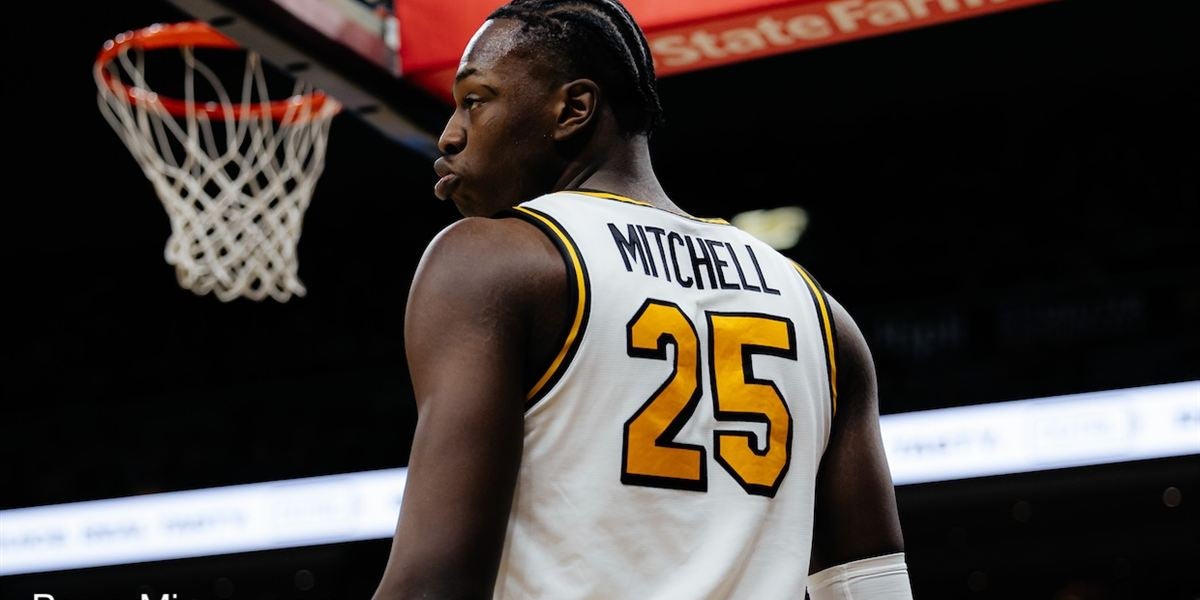
For Kentucky fans, Mark Mitchell’s decision to return to Missouri was a painful ending to a recruitment that briefly appeared to have gone the Wildcats’ way.
Kentucky had a chance to add an experienced SEC forward who could have immediately strengthened Mark Pope’s roster. Mitchell’s size, versatility and scoring ability made him an attractive addition, and his decision to stay in Columbia naturally left plenty of Big Blue Nation frustrated.
But there may be a surprising silver lining.
As strange as it sounds, Kentucky might ultimately be better off staying out of the legal and eligibility chaos now developing around the SEC.
A recruiting loss surrounded by bigger questions
Mitchell’s situation unfolded during one of the most confusing periods college athletics has experienced.
The NCAA’s evolving eligibility rules have triggered lawsuits across the country, with nearly 60 state and federal cases reportedly filed since the introduction of the “five years to play five” policy.
The issue has become particularly complicated in the SEC.
A Louisiana court ruling recently granted additional eligibility to more than 40 athletes, including some who had already entered professional sports.
The ruling prevented the NCAA from enforcing certain eligibility restrictions against former professionals seeking to return to college athletics.
LSU has indicated that it intends to comply with the ruling.
That decision could have enormous consequences for the conference.
The SEC is not taking it lightly
The situation has reportedly created significant tension among SEC schools.
Yahoo Sports’ Ross Dellenger reported that officials from the other 15 universities are considering extraordinary measures against LSU.
Potential responses reportedly include refusing to play the Tigers, imposing conference penalties, pursuing a federal legal challenge and even exploring the possibility of removing LSU from the SEC.
That is an astonishing level of escalation.
The SEC’s bylaws give its presidents and chancellors broad authority to impose penalties on member institutions, including potentially preventing a school from participating in conference championship competition.
The conference could therefore be headed toward a major legal and political battle.
And that changes the way Kentucky’s loss looks
Mitchell would undoubtedly have helped Kentucky.
His experience and production would have given Pope another proven piece, particularly against the physical competition Kentucky will face in the SEC.
But the Wildcats no longer have to worry about being directly connected to the complicated circumstances surrounding Mitchell’s transfer.
The SEC has indicated that it would not enforce its transfer restriction in the circumstances surrounding the current legal battle, helping Mitchell remain at Missouri.
Now Kentucky can simply move forward.
Pope can concentrate on developing his roster, building chemistry and preparing for the season rather than navigating another layer of eligibility uncertainty.
That does not erase the disappointment of losing Mitchell.
But it does provide BBN with something to feel better about.
Kentucky may have lost a talented player.
Yet while the Wildcats move forward, the SEC’s eligibility war could be heading toward something much bigger.
And suddenly, what looked like Kentucky’s biggest recruiting disappointment of the offseason may carry a very unexpected silver lining.
