


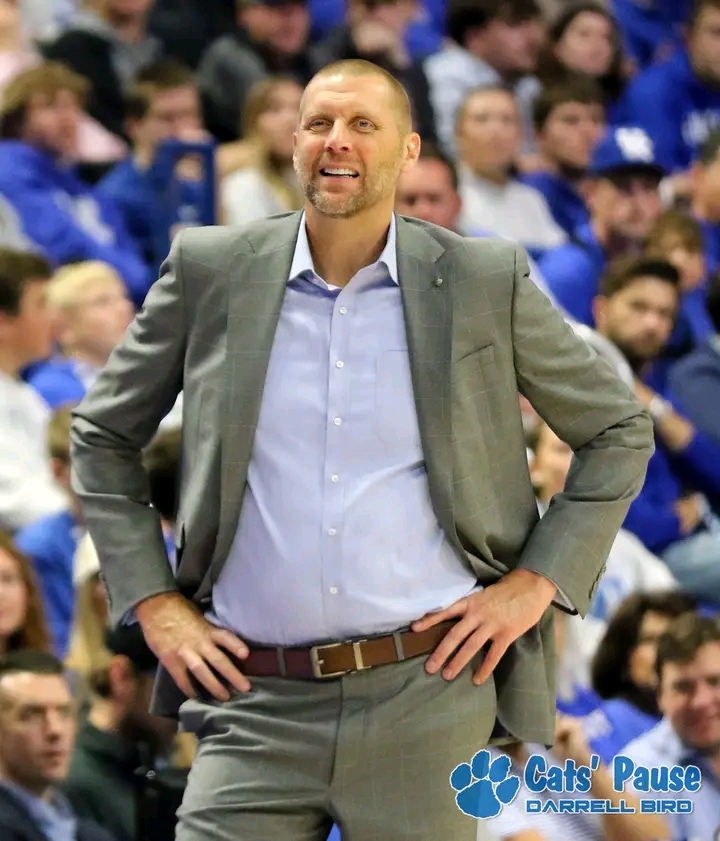
Kentucky basketball is once again investing heavily in building a competitive roster, but spending big does not guarantee success. As Mark Pope prepares for the 2026-27 season, the Wildcats face growing expectations, and one major concern continues to surround the program: whether the team’s significant financial investment will translate into the results Kentucky fans demand.
According to CBS Sports’ Isaac Trotter, Kentucky belongs to the highest spending tier in college basketball, with programs reportedly committing at least $20 million to their rosters. The Wildcats are joined by several major programs, including Duke, North Carolina, Texas, Tennessee, Michigan, Florida, Louisville, Illinois, Texas Tech, and St. John’s.
That puts Kentucky among the nation’s biggest spenders, but it also creates another level of pressure for Pope.
Kentucky’s Investment Comes With Expectations
For a program with Kentucky’s history and championship ambitions, fans expect more than simply assembling an expensive roster. They want consistent performances, meaningful postseason success, and a team capable of competing with the best programs in the country.
Pope understands the importance of getting those pieces right. Recruiting talented players is only the beginning. The Wildcats must develop chemistry, establish a clear identity, and find ways to win against quality opposition.
According to the report, Kentucky ranks 10th among the 11 programs in the highest spending tier in the preseason Associated Press poll. That comparison adds another interesting dimension to the discussion surrounding the Wildcats.
The concern is not simply how much Kentucky spends, but whether the coaching staff can maximize the talent available.
The SEC Competition Is Getting More Expensive
Kentucky is also operating in an increasingly competitive Southeastern Conference.
The report places the average SEC basketball roster cost at approximately $17.3 million, the highest among college basketball’s conferences.
That figure highlights how dramatically the sport has changed. Programs are investing substantial resources to attract talented players, making roster construction and player development increasingly important.
For Pope, competing financially is only one part of the challenge. Kentucky must demonstrate that its investment gives the team an advantage when the pressure rises.
March Madness Could Determine Everything
Pope’s first season ended with a Sweet 16 appearance, but his second campaign concluded with an 82-63 loss to Iowa State in the second round of the 2026 NCAA Tournament. Kentucky finished that season with a 22-14 record.
Now, the expectations are rising again.
The Wildcats have the resources to compete with college basketball’s biggest programs, but their postseason performance will ultimately shape how fans judge the season.
The biggest concern for Kentucky is whether Pope can turn that financial investment into a deeper NCAA Tournament run.
For Big Blue Nation, another expensive roster is not enough. Kentucky needs results, and the 2026-27 season offers Pope another opportunity to prove that his program is moving in the right direction.
