


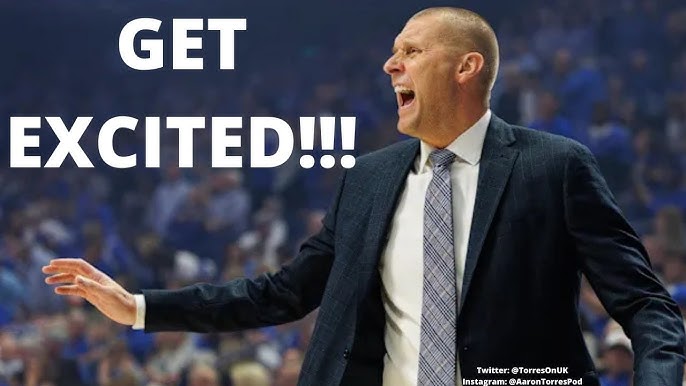
Kentucky’s approach to the transfer portal this offseason isn’t just about adding players—it’s about making a statement. And whether fans want to admit it or not, that message is coming through loud and clear: Mark Pope is building this roster his way, even if it doesn’t match traditional expectations in Lexington.
Instead of chasing one or two headline-grabbing stars, Kentucky has stacked multiple solid, experienced contributors. Names like Zoom Diallo, Alex Wilkins, Justin McBride, and Jerone Morton may not dominate national headlines individually, but together they represent a clear shift in philosophy. This isn’t about flash—it’s about function.
For some, that’s a refreshing change.
There’s a growing belief that Kentucky needed to move away from the boom-or-bust model built around elite freshmen and short-term rosters. By bringing in players who have already experienced college basketball—and in some cases multiple systems—Pope is prioritizing maturity, decision-making, and depth. The idea is simple: fewer growing pains, more cohesion, and a team that can actually execute when it matters most.
But not everyone is buying in.
Critics see the same roster and come to a very different conclusion. Where some see depth, others see a lack of star power. Where some see balance, others see a ceiling. The concern is hard to ignore—who’s the go-to player when the game is on the line? In a league as competitive as the SEC, having “a lot of good players” isn’t always enough.
Jerone Morton’s addition is a perfect example of the divide. Supporters view him as another versatile guard who strengthens the rotation and adds shooting depth. Skeptics, however, see a player with modest production—7.8 points per game last season—who doesn’t necessarily move the needle in a major way. It all depends on how you interpret the bigger picture.
And that’s really what this comes down to: philosophy.
Pope appears to be betting that chemistry, depth, and adaptability can outperform raw star talent. It’s a bold approach at a program where expectations are sky-high and patience is often limited. Kentucky fans are used to seeing future NBA players lead the charge—not a collection of role players trying to out-execute opponents.
Still, there’s a scenario where this works extremely well.
If these pieces click, if roles are clearly defined, and if one or two players emerge as reliable closers, Kentucky could become one of the most dangerous “team-first” squads in the country. A roster without ego issues, capable of adjusting on the fly, and deep enough to survive injuries or cold stretches—that’s not a bad formula.
But if it doesn’t come together?
The criticism will only get louder.
Because in Lexington, it’s not just about building a team—it’s about building a contender. And right now, Kentucky’s transfer portal activity has made one thing undeniable: Mark Pope has chosen a direction.
Now comes the hard part—proving it’s the right one.
