


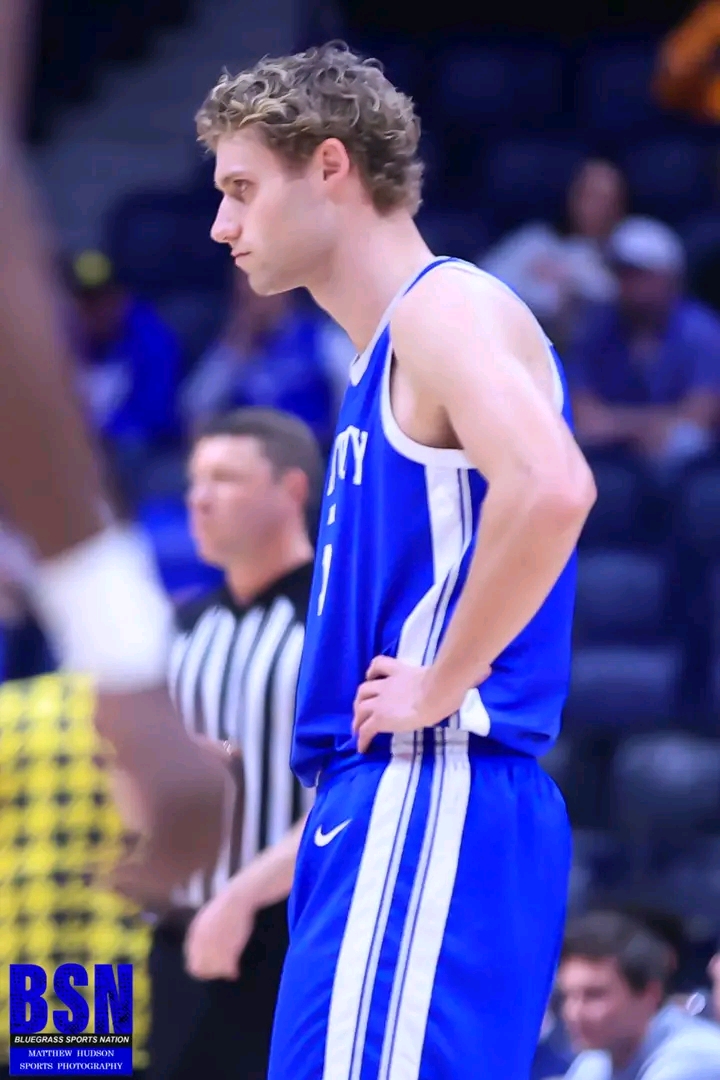
March Madness is almost here, and Kentucky fans are on edge. After a season of highs, lows, and plenty of uncertainty, the Wildcats enter the NCAA Tournament with talent, potential, and glaring weaknesses that could make or break their run. Head coach Mark Pope has tried to reinvent the team, but the results this season have left fans questioning whether Kentucky is ready for the intensity of March basketball.
The 35% Three-Point Line That Could Decide Everything
Kentucky’s biggest barometer this season has been three-point shooting. When the Wildcats hit above 35% from deep, they dominate—posting a 10–2 record in those games. The offense flows, defenders are forced to scramble, and the team looks like a squad ready for a deep tournament run.
The problem? Kentucky hasn’t consistently shot that well. In games below 35%, the Wildcats are a coin-flip team at 11–11, and when the shooting really collapses under 25%, the record is just 2–4. Fans have been frustrated watching open shots rim out, knowing that a hot or cold night from deep can instantly decide the outcome.
This is the stat that fans are losing their minds over because, without better shooting, even the team’s best defensive efforts can’t carry them through March.
Ball Movement—or the Lack of It
Another glaring issue is the lack of passing. Kentucky has historically thrived when players move the ball and create opportunities for one another. In Pope’s most successful seasons, assists often hovered around 20 per game. This year, though, the Wildcats have averaged only 12 assists in their 13 losses.
A perfect example came against Florida in the SEC Tournament, where Kentucky posted just nine assists. Instead of fluid offense, the team fell into isolation-heavy possessions, forcing contested shots instead of finding open teammates. Fans watching felt the frustration in real-time—this isn’t the fast, free-flowing offense they expected.
If Kentucky wants to make a deep run, rediscovering that ball movement is critical. Otherwise, they risk stagnating in the tournament against disciplined defenses.
Rebounding: The True Effort Indicator
Kentucky has also struggled on the glass, a surprising problem for a team with players like Malachi Moreno, Brandon Garrison, and Mo Dioubate. In wins, the Wildcats boast a +7.2 rebounding margin, but in losses, that swings to -2.4—a nearly 10-rebound difference.
Fans are noticing that when Kentucky fails to control the boards, defensive stops slip away, and the team’s “new identity” of grit and intensity begins to fall apart. Without rebounding dominance, even good defensive schemes aren’t enough.
A Team Torn Between Two Identities
The Wildcats this season have been caught between two styles: a defensive, physical identity and a fast-paced, perimeter-focused attack. Unfortunately, they haven’t fully mastered either. The roster lacks consistent shooters to fully embrace the three-point game, and at the same time, they haven’t dominated the paint enough to make a defensive identity stick.
As March Madness begins, Kentucky has to find a balance. They must shoot efficiently, move the ball with purpose, and control the boards. If they can put those pieces together, a strong tournament run is possible. If not, fans could be watching the season end far sooner than expected.
Kentucky has the talent to compete with anyone—but the stats say it’s time to fix what’s broken before it’s too late. Fans are watching closely, and every possession in March could make the difference between glory and heartbreak.
