


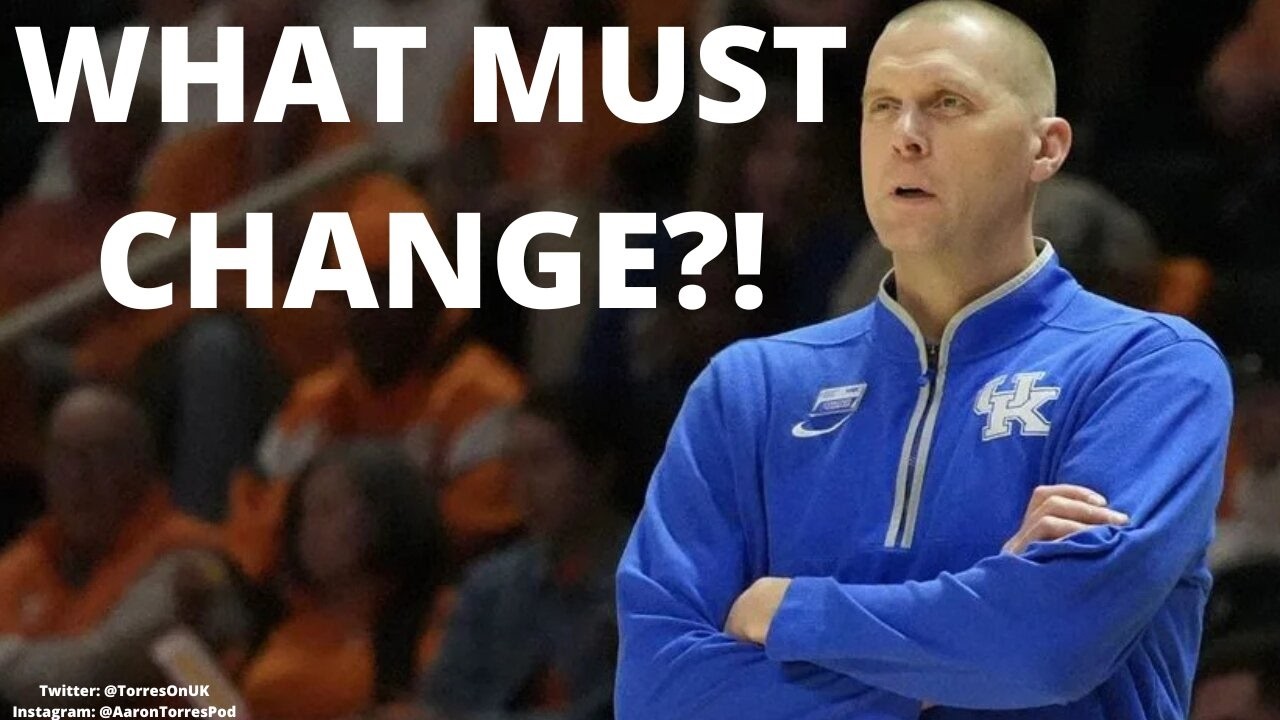
Mark Pope didn’t waste any time diving into the Transfer Portal—but the early pattern forming around Kentucky’s targets is starting to feel uncomfortably familiar. And if you watched last season, you already know why that’s a problem.
Kentucky is coming off one of its most frustrating seasons in recent memory, defined by offensive inconsistency and long scoring droughts. The numbers tell the story clearly: the Wildcats shot just 34% from three, ranking in the middle of the pack nationally, and struggled to generate consistent perimeter scoring. That issue came to a head in the NCAA Tournament, where turnovers and missed shots sealed their fate.
Now, as Pope begins rebuilding the roster, the expectation was simple—go get shooters. Instead, the early list of transfer targets suggests Kentucky may be heading down the same road again.
A closer look at the numbers is hard to ignore. Many of the players Pope is reportedly targeting hover around—or well below—average from beyond the arc. Several sit in the low 30% range, with a few even dipping below that mark. While there are exceptions, the overall trend points toward players who are more comfortable creating shots than consistently knocking them down.
That wouldn’t necessarily be a problem if Kentucky already had elite shooting on the roster—but that’s far from the case. If anything, adding more non-elite shooters to a team that already struggled in that area risks repeating the same offensive issues.
It raises a bigger concern about roster construction philosophy. Last offseason, Pope emphasized defense, bringing in players to fix one of the team’s biggest weaknesses. Statistically, there was some improvement—but it came at a cost. The offense regressed, and Kentucky often found itself unable to keep up in key moments.
Now, it feels like the pendulum may be swinging too far again—this time toward shot creators who lack efficiency from the perimeter. The idea of adding playmakers isn’t wrong, but without reliable shooting to space the floor, those creators can quickly become ineffective.
Modern college basketball is built on balance. You need players who can handle the ball and break down defenses—but you also need shooters who can punish defenses for collapsing. Without that balance, even the most talented roster can stagnate offensively.
There’s still plenty of time for Pope to adjust his approach. The portal is just opening, and boards evolve quickly. But if Kentucky continues to prioritize players with inconsistent shooting profiles, it risks walking straight into the same problems that defined last season.
The blueprint isn’t complicated: surround playmakers with shooters, create space, and make defenses pay. Whether Pope follows that blueprint—or continues this emerging trend—could ultimately define Kentucky’s next season.
