


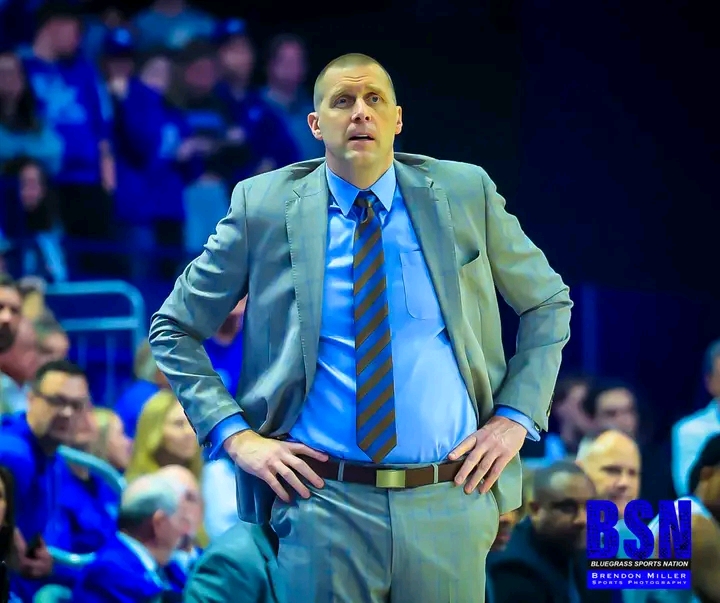
There’s a pattern forming in Lexington — and SEC opponents have clearly picked up on it.
Mark Pope’s Kentucky teams have shown toughness, heart, and an undeniable ability to storm back when counted out. But there’s one recurring move that keeps showing up on film, and it’s starting to cost the Wildcats in critical moments: slow starts paired with reactive adjustments instead of proactive control.
Too often, Kentucky opens games tentative on both ends. The offense stalls into isolation-heavy possessions or rushed perimeter shots, while defensively the Wildcats allow early rhythm — especially from three. By the time the urgency kicks in, they’re already staring at a double-digit deficit.
And that’s not just a one-game issue.
Kentucky has trailed by 12 or more points in the majority of its Power Conference matchups this season. That’s not random. That’s a trend. Opponents are attacking early, pushing tempo, spreading the floor, and daring Kentucky to chase. They know the Wildcats will adjust eventually — but they also know playing from ahead changes everything.
The bigger concern? Rotation timing.
Pope has leaned on certain lineup combinations that struggle defensively against quicker backcourts. Instead of adjusting immediately when opponents go on runs, the substitutions sometimes come a few possessions too late. In tight SEC battles, two or three empty trips can swing the entire game.
And teams are exploiting it.
Georgia did it. Missouri did it. Even in wins, Kentucky has flirted with disaster because opponents are entering games with a clear strategy: punch first, force Kentucky into comeback mode, and test their discipline late.
To Pope’s credit, the Wildcats have responded with grit. They’ve erased deficits. They’ve won statement games. They’ve proven they can fight.
But here’s the uncomfortable truth — constantly needing a comeback isn’t a strength. It’s a warning sign.
In March, falling behind early doesn’t always leave room for redemption. Tournament teams don’t always give second chances.
There’s still time to fix it. Five games remain in the regular season. The adjustments are possible: sharper defensive intensity from tip-off, quicker rotation decisions, and a more structured half-court approach early in games.
The talent is there. The coaching ability is there. The resilience is undeniable.
Now the question is simple:
Will Mark Pope break the pattern — or will opponents keep beating Kentucky to the first punch?
