


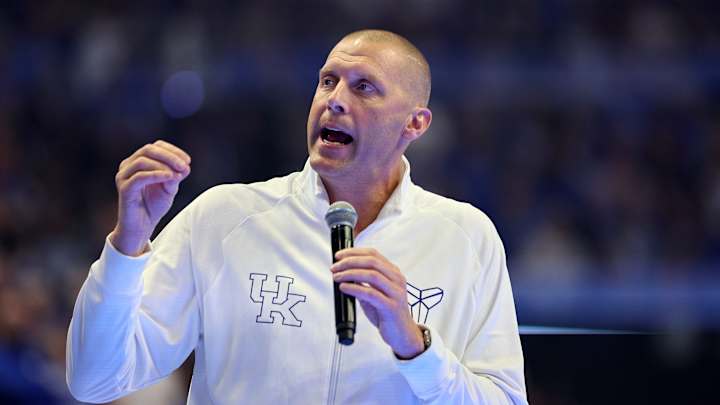
For years, Mark Pope has been vocal about one thing: he wants more games on the college basketball schedule. And now, the NCAA has answered his call—sort of.
Starting with the 2026–27 season, Division I men’s basketball teams will be allowed to play 32 regular season games, up from the current limit of 31. It’s not a massive overhaul, but it’s a step in the direction Pope has been fighting for.
> “I’d love to play 40 games. I’d settle for 35,” Pope has said before.
The Kentucky head coach has long believed that expanding the schedule would benefit not just his program, but the sport as a whole. His argument? More games mean more flexibility, bigger matchups, and greater revenue opportunities—especially for powerhouse programs like Kentucky.
At a place like Rupp Arena, each home game is about much more than basketball. Ticket sales, concessions, broadcast rights, and merchandise from those nights fuel the entire athletic department, not just the men’s basketball program. But that financial engine comes with pressure: Pope says he’s often locked into playing 20 home games a year, just to meet the department’s financial needs.
> “We have to do that to pay the bills… but bring on some more flexibility,” Pope said. “So we play some more games that every school can actually bring in more revenue, that we can share with these student-athletes, that we can share with the rest of the athletic department.”
The NCAA’s new policy isn’t mandatory—teams can choose to add an extra game if they want. But for coaches looking to schedule an extra neutral-site showdown, participate in an additional early-season tournament, or stack their résumé for March, that 32nd game opens the door just enough to get creative.
Still, make no mistake—this is just the beginning for Pope. He’s still advocating for even more room to work, pushing for a system that balances tradition, competition, and economic sustainability without forcing programs to compromise.
Whether the NCAA is willing to consider a larger scheduling overhaul down the line is unknown. But for now, Pope’s persistence has earned at least a small victory.
